
Women victims of domestic violence in Afghanistan

Half of domestic violence victims are living with their attackers.
When the work of women in domestic and foreign institutions was stopped, we were miserable
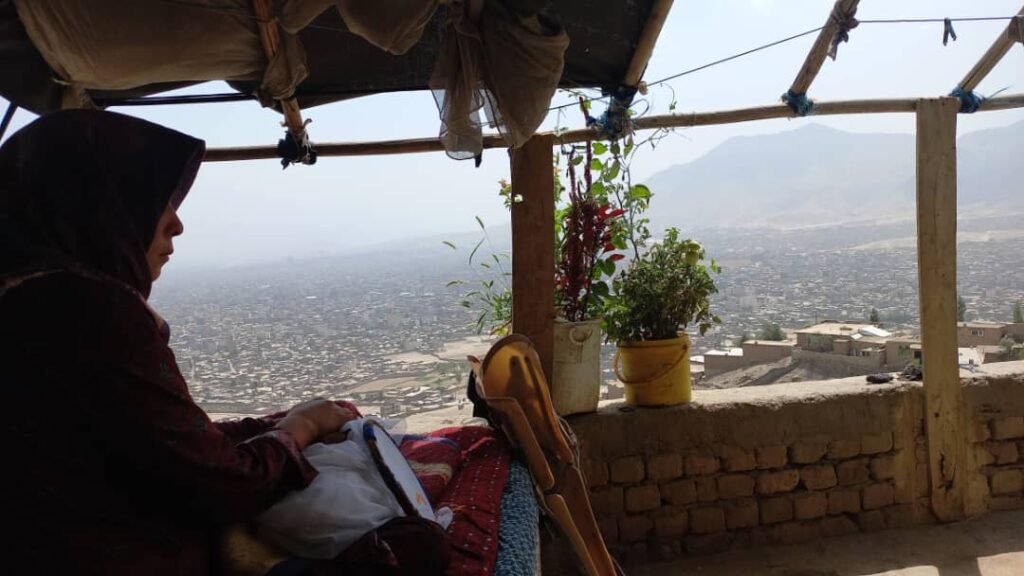
45-year-old Gulsoum, who worked in a foreign company, says; With the prohibition of women’s work in foreign institutions and the closure of these institutions, families in Afghanistan are facing economic problems many Afghan mothers, women and sisters have affected in Afghanistan by the recent wars, besides the loss of loved ones, economic problems and traditional restrictions are affecting these women. Following the imposition of restrictions by the Taliban on women in Afghanistan, this group has banned women from working in domestic and foreign non-governmental organizations. Women are facing economic problems who were working in foreign institutions in Afghanistan due to the prohibition of working in these institutions One of the women who working in the Pamlarena, one of the foreign institutions in Afghanistan, told her painful life story to Farkhunda News and said, “When the work of women in domestic and foreign institutions was stopped, we became miserable.” 45-year-old Gulsoum is a resident of Chehelstun, Kabul city 16 years ago, her husband had a heart attack and after twenty days died in hospital, leaving her with a big responsibility of taking care of her eight children. Gulsoum’s husband during his lifetime was an employee of the Ministry of Foreign Affairs, and he served in this ministry for 9 years. Gulsoum says; She was 8 months pregnant that she buried all her wishes with her husband in the ground after losing her husband. she was working for one of the foreign organizations “Pamlarena” in order to find a bite of halal bread for his orphaned children. This institution provided work and support for women. Women sewed quilts for this institution and they were paid for their efforts. With these money, Gulsoum spent the day and night for himself and her children, until her children grew up and became their mother’s helpers. Now Mrs. Gulsoum is unemployed, she has no choice but to stay at home and she can’t afford other jobs she says: that they are facing economic problems and with the change of the government system and the closure of foreign and domestic institutions and the changing conditions for women, the life of her and her daughters is getting harder every day. Gulsoum does hand embroidery at home, but complains about the lack of a suitable market she says that I sent my daughters to school with hundreds of problems so that they can become literate and use from their pen and knowledge to cover the expenses of life and be independent, but my daughters are getting more and more disappointed every day with the closure of universities and schools. Gulsoum’s daughters help her in the embroidery work. Gulsoum’s eldest son is a teacher in a private school and his second son is a student in a public school in Kabul city. Ms. Gulsoum’s three daughters, who had just started university, but now are living without a destiny, and the other three daughters of this lady are also student at school. Marzieh is Gulsoum’s eldest daughter. She says: “I only wanted to become a doctor to serve my family and people and to have a better life than before.” Gulsoum’s little daughter, Zakia, who has never see her father, is also a 9th grade student, and her only wish is to open the doors of schools to students. Gulsoum is satisfied and happy with foreign institutions and organizations and with the work of these institutions in the field of women’s empowerment and also the independence of women in the economic sector, and considers the closure of such institutions necessary in the poor society of Afghanistan. she says that Afghanistan is a country that has always been at war and women have suffered more than men in these wars and many women in Afghanistan have lost their husbands in wars and are widows, all the responsibilities of Home and children are on women, work is an essential need for this segment of society she asks foreign institutions and organizations to be with the people of Afghanistan and not to leave them alone in difficult situations. Ms. Gulsoum adds; If there is no work, the families are forced to send their children to do hard work or go to Iran, which causes the children to be away from their families and elders to drugs and illegal activities. Ms. Gulsoum says that although they had a bad economic situation, she did not force her son to work on the road and elsewhere and encouraged them to study. In his last words, Gulsoum told Farkhunda News: I wish my daughters would study like my sons so that they don’t the bitter experience of illiteracy in life like I did. Sohila Gulstane
When the work of women in domestic and foreign institutions was stopped, we were miserable
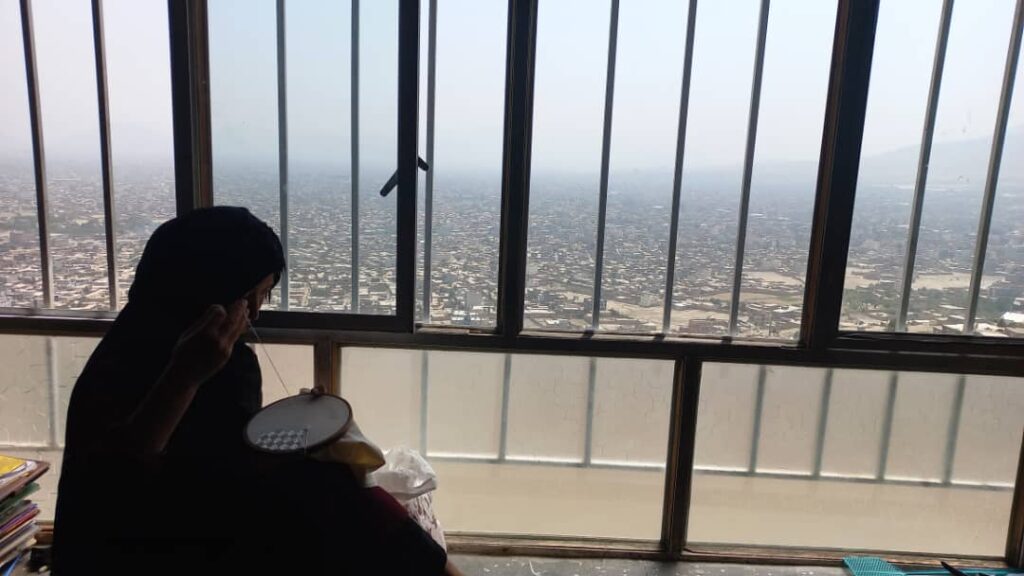
45-year-old Gulsoum, who worked in a foreign company, says; With the prohibition of women’s work in foreign institutions and the closure of these institutions, families in Afghanistan are facing economic problems
many Afghan mothers, women and sisters have affected in Afghanistan by the recent wars, besides the loss of loved ones, economic problems and traditional restrictions are affecting these women.
Rina Amiri: Attacks against Shiites threaten the diversity of Afghan society
Mrs. Amiri (Shanbah, 22 Mizan) has reacted to Friday’s attack on Shia worshipers in Pul Khumri city, the center of Baghlan. He added that this “atrocity” must end; The people of Afghanistan have suffered enough. It is worth mentioning that around 1:30 PM on Friday 21 Mizan, an explosion occurred in the Imam Zaman Mosque in Pul Khomri city. The explosion happened when dozens of people were performing Friday prayers in this mosque. Local sources have confirmed that at least 30 people were killed and dozens more injured in this explosion. ISIS has claimed responsibility for this deadly attack ISIS has previously also taken responsibility for numerous and deadly attacks on religious centers, educational institutions of Shiites and Hazaras in Afghanistan.
this is english version
Analytical Approach to the Internal Situation in Afghanistan

Understanding the internal situation in Afghanistan requires a multifaceted analytical approach that considers historical context, socio-cultural dynamics, political developments, security challenges, economic conditions, and the aspirations of its diverse population. This analytical framework seeks to provide a comprehensive view of Afghanistan’s internal dynamics. 1. Historical Context: Analyzing the historical context is essential to grasp Afghanistan’s internal dynamics. This includes an examination of past governments, periods of stability, conflicts, and foreign interventions. Historical legacies continue to influence contemporary events. 2. Socio-Cultural Dynamics: Understanding Afghanistan’s diverse ethnic and tribal composition, as well as its social norms and values, is crucial. Analyzing how these factors shape the roles and expectations of individuals and groups within society helps elucidate internal dynamics. 3. Political Landscape: Examining the political landscape involves assessing the power structures, governance models, and key actors in Afghanistan. This includes understanding the role of political parties, factions, and the extent of political inclusivity or exclusion. 4. Security Challenges: Assessing the security situation is fundamental to understanding internal dynamics. This involves analyzing the activities of insurgent groups, the state’s capacity to maintain security, and the impact of external actors on security. 5. Economic Conditions: Economic factors, including poverty levels, employment opportunities, access to basic services, and income disparities, play a significant role in shaping internal dynamics. Evaluating the economic challenges faced by Afghans helps explain their motivations and grievances. 6. Local and Regional Dynamics: Internal dynamics are often influenced by regional and local factors. Analyzing the relationships between Afghanistan and neighboring countries, as well as the role of regional powers, is critical to understanding the broader context. 7. Civil Society and Public Opinion: The role of civil society organizations, the media, and public opinion in shaping internal dynamics should not be overlooked. Their activities, advocacy, and influence on government policies are key elements of the internal landscape. 8. Aspirations and Identity: Understanding the aspirations and identity of Afghans, including their desire for peace, justice, human rights, and self-determination, is crucial. Analyzing how these factors interact with broader socio-political dynamics helps to anticipate future trends. 9. Vulnerable Populations: Assessing the vulnerabilities of specific groups, such as women, children, minorities, and internally displaced persons, is essential. These populations often face unique challenges that impact the internal situation. 10. Environmental Factors: Environmental issues, such as water scarcity and climate change, can exacerbate internal challenges, including resource conflicts and displacement. Examining the environmental dimension is increasingly important. 11. Conflict Resolution and Peacebuilding: Analyzing ongoing efforts for conflict resolution and peacebuilding is vital for understanding the trajectory of internal dynamics. This includes examining negotiations, reconciliation processes, and the role of international mediators. 12. Future Scenarios: Finally, an analytical approach should consider potential future scenarios based on current trends, external influences, and internal dynamics. Scenario planning can help anticipate challenges and opportunities. In conclusion, comprehending the internal situation in Afghanistan requires a holistic analytical approach that considers a multitude of factors and their interactions. This multifaceted perspective is crucial for policymakers, researchers, and practitioners seeking to engage with Afghanistan and contribute to its stability, development, and peace.
The Taliban: A Complex Portrait
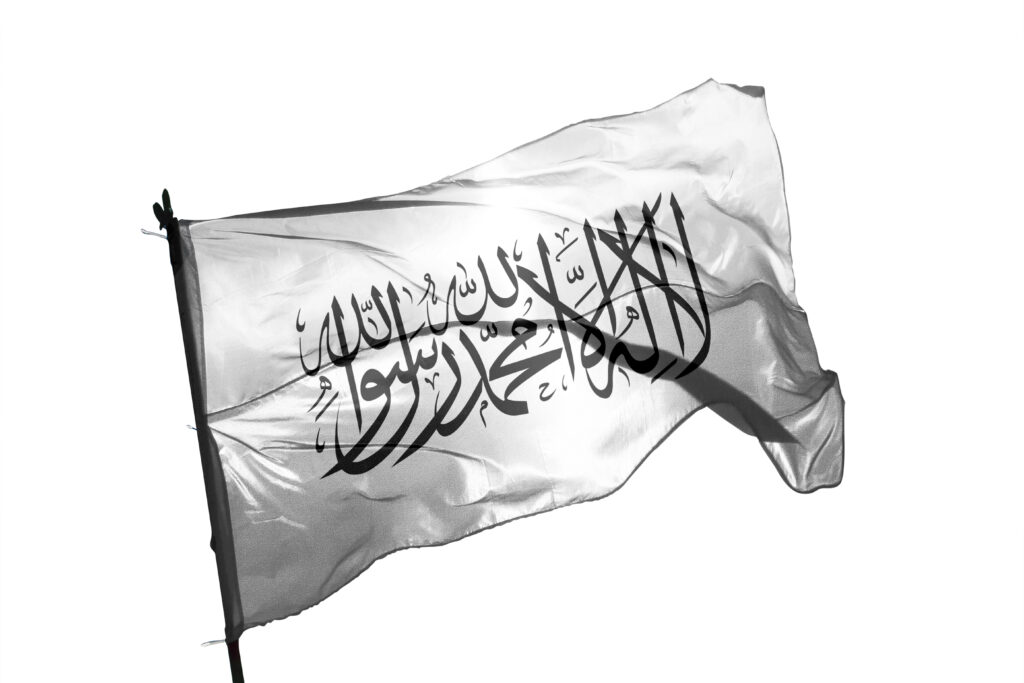
Introduction: The Taliban, a militant group originating in Afghanistan, has garnered global attention for decades due to its complex history, actions, and impact on the region. This report offers an overview of the Taliban, tracing its origins, evolution, objectives, and the challenges it presents to both Afghanistan and the international community. I. Historical Background: The Taliban emerged in the early 1990s in the aftermath of the Afghan Civil War and the Soviet withdrawal. They sought to establish a strict interpretation of Islamic law and brought a semblance of stability to a war-torn country. II. Rule in Afghanistan (1996-2001): The Taliban captured Kabul in 1996 and controlled most of Afghanistan. During their rule, they enforced a harsh interpretation of Sharia law, which severely curtailed women’s rights, led to the destruction of cultural heritage, and harbored international terrorists, notably Osama bin Laden. III. U.S. Intervention and Taliban Resurgence: Following the 9/11 attacks, the U.S.-led coalition toppled the Taliban regime in 2001. However, the Taliban persisted as an insurgent force, launching a protracted insurgency. IV. Evolution and Objectives: Shifting Ideology: The Taliban has evolved in its approach, expressing some willingness to negotiate and share power. Objectives: The group’s primary objectives include the reestablishment of an Islamic Emirate, withdrawal of foreign troops, and the implementation of their version of Islamic law. V. The Doha Agreement and the Return to Power (2021): In August 2021, the Taliban captured Kabul, marking a significant shift in Afghanistan’s political landscape. This takeover came after the U.S.-Taliban Doha Agreement, which committed the U.S. to withdraw troops. VI. Challenges and Concerns: Human Rights: The Taliban’s track record on human rights, particularly women’s rights and freedom of expression, raises significant concerns. International Relations: The Taliban’s return has sparked debates over international recognition, diplomacy, and engagement. Security Threats: Afghanistan’s instability and potential for harboring extremist groups pose security risks globally. VII. Current Situation: The Taliban has established an interim government and faces challenges in governance, humanitarian crises, and economic instability. VIII. International Response: The international community is navigating a complex landscape in its engagement with the Taliban, focusing on humanitarian aid, conditional recognition, and counterterrorism efforts. Conclusion: The Taliban’s history and resurgence have far-reaching implications for Afghanistan and the world. Its capacity for change and willingness to uphold human rights and engage with the international community will shape its future trajectory. Balancing security concerns with humanitarian needs remains a pressing challenge, and continued global attention is essential to navigating this complex terrain and addressing the evolving dynamics surrounding the Taliban.
Empowering Women in Sports: Breaking Barriers and Shattering Stereotypes
Women’s participation in sports has come a long way since the days when they were largely excluded from athletic competitions. Today, women in sports are not only proving their mettle but also breaking down barriers, challenging stereotypes, and inspiring generations to come. This article explores the evolving landscape of women in sports, their achievements, and the significance of their presence in this arena. The Evolution of Women in Sports Historically, women were discouraged from participating in sports, often considered too delicate or fragile to engage in physical activities. However, the late 19th and early 20th centuries marked a turning point when women began to demand their place in the world of sports. Pioneers like Billie Jean King, who defeated Bobby Riggs in the famous “Battle of the Sexes” tennis match in 1973, played a pivotal role in highlighting gender disparities in sports. Over the years, the fight for gender equality in sports has led to important milestones: Title IX: The passing of Title IX in the United States in 1972 was a game-changer. This federal law prohibited sex-based discrimination in educational programs, including sports. It opened doors for countless women and girls to access sports and athletic scholarships. Olympic Success: Women’s participation in the Olympic Games has grown significantly. In the 1900 Paris Olympics, women competed in just five events, while the 2021 Tokyo Olympics featured a nearly equal number of male and female athletes. Professional Leagues: The establishment and growth of women’s professional sports leagues, such as the WNBA (Women’s National Basketball Association) and the NWSL (National Women’s Soccer League), have provided female athletes with opportunities to pursue careers in sports. Breaking Stereotypes One of the most significant contributions of women in sports is their ability to challenge stereotypes and reshape society’s perceptions of female athletes. Here are some common myths that women in sports have shattered: Physical Ability: Women have demonstrated their physical prowess in various sports, proving that they are just as capable as men. Records in running, swimming, and weightlifting continue to be broken by female athletes. Strength and Power: Female athletes have shown that they possess immense strength and power, challenging the notion that physical strength is a male prerogative. Sports like CrossFit and powerlifting have strong female followings. Leadership: Many women in sports have taken on leadership roles as coaches, managers, and executives, debunking the idea that women cannot lead in traditionally male-dominated areas. Inspiring Future Generations The presence of women in sports has a profound impact on future generations. Young girls now have strong role models to look up to, motivating them to pursue their athletic dreams without limitations. The “see it, be it” principle is powerful, as it shows girls that they can achieve greatness in any field, including sports. Moreover, the benefits of sports participation extend beyond the playing field. Sports teach valuable life skills such as teamwork, discipline, resilience, and goal-setting, which empower women to excel in all aspects of life. Conclusion Women in sports have come a long way, and their journey is far from over. As they continue to excel, break records, and shatter stereotypes, they inspire us all to challenge preconceived notions and strive for gender equality in every sphere of life. It is crucial to support and celebrate the achievements of women in sports, not only for the athletes themselves but also for the generations of women and girls who will follow in their footsteps. Through their dedication and determination, women in sports are forging a brighter, more inclusive future for all.