
Bitter farewell: I will leave my sister’s dismembered body here and leave
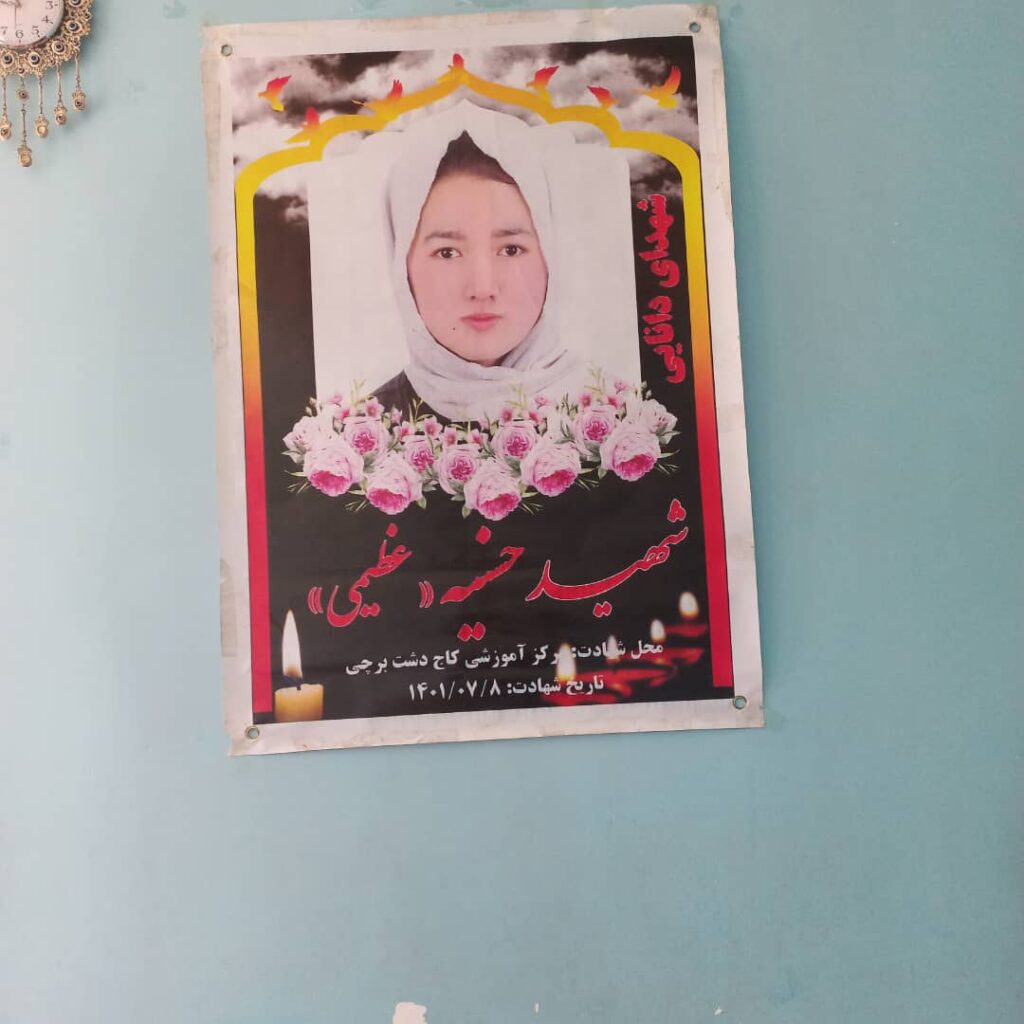
Husnia is one of the victims of Kaj course The world’s protests and concern about the genocide of the Hazaras have been boosted while this generation has been systematically removed from the society of Afghanistan, and Hazara youths and teenagers have been repeatedly attacked by terrorists in schools, educational centers, mosques, civil protests, and buses. Deadly explosions in Hazare Jat areas killed hundreds of people and destroyed dozens of families. Farkhandeh Media: Narrative of one of the victims of this incident (I will leave my sister’s dismembered body here and go) “Husnia always went on foot due to economic problems, but on Friday, because it was too late, I told her to go by car. On the same day, his departure happened and not his arrival. Husnia was a quiet girl, she was very close to me during my childhood, she used to write me letters and Secret Heart . Zainab Azimi, the sister of Husnia Azimi, one of the students who was the victim of the explosion at the Kaj course in Dasht Barchi, Kabul. she recounts the loss of her sister and how Hazara schoolgirls in Afghanistan were slaughtered for their studies in the land of emigration. “On the day of the explosion, it was Friday. We had gone to my older sister’s house together with Husnia on Friday night On that day, Husnia woke up a little late, their exam was about to start at 6:15, but Husnia had just woken up at 6:15. I told her not to go today, it is too late and she can’t arrive to exam But she told me no, I have to go, I will go and I will attempt to arrive the course by half past six. I didn’t say anything to her, I just said go in the car today, she said okay. Because of the economic problem we had, Husnia always went on foot to save her expenses. I had breakfast with my older sister and slowly I went home. On the way back home I said that I will pay for the electricity as well. I entered the shop where the shopkeeper was talking to the customer that there was an explosion at the Barchi I was worried and asked where the explosion happened, they said in Kaj course, I said loudly that my sister was studying there I called Husnia’s number, but she did not answer I ran to course, but there was no one, all the dead and wounded had been taken out of course, and the building had turned into ruins. We went to several hospitals because of Husnia, but the Taliban very coldly and smilingly did not allow us to go inside the hospitals and search for Husnia. My uncle and I went to the forensic medicine together, she wasn’t there, we went to Esteghlal hospital, we wanted to go to Amirjansi hospital, we were on our way when my older sister called me and said to come, Husnia Jan has been martyred and she is in Mohammad Ali Jinnah hospital. We came to the hospital and accepted the body. Husnia was 19, her spring had just begun, everyone loved her Husnia always tried to save her money and not bother my parents too much. “Husnia was inside the big plastic, when I opened it, it was Husnia, as if she was in a deep sleep. My uncle, his wife and other ladies gathered to bathe Husnia When we were washing Husnia’s lifeless body in the mosque I saw that she was hit by explosives on her left side. Her neck had a deep wound as if someone had hit her with an ax Her arm was broken and a piece of chair was stuck in her armpit We pulled all the small pieces of wood from her body. The explosives that hit her behind her head had cut off her flesh and her hair was completely burnt.” “We bathed her, shrouded her and took her to Jaghori to my parents to be buried. Husnia had come to us (her sisters) from Jaghori for a short time, she was the last and youngest girl in the house. When she learned through the news on TV that girls are also allowed to take the entrance exam, she decided to go to the course and prepare for the exam. she went to the course every day, after several days, she passed the test on Friday, got a good grade and told me that I passed with 261 marks in literature field. she was very happy, I told her it was great, even though you said I was not ready, but you still got a good result, good luck. This was the second preparatory exam that Husnia wanted to participate she told me that I will take this exam so that it will be classified and I will adjust my choices. she left but never came back” Zainab, Husnia’s sister, worked in one of the government departments, but she lost her job after the fall of the regime. Zainab’s husband was in the Afghan security forces, and in the recent wars between the security forces and the Taliban, it was unclear whether he was alive or killed. There is no news, Zainab with her seven-year-old daughter is now in the country of immigration “Pakistan” looking for a better life in a safe place. she says; I don’t know if I can forget everything by leaving the place where the most bitter thing happened to me or not? Soheila Gulistani
The hard and breathtaking life of former military families in Afghanistan
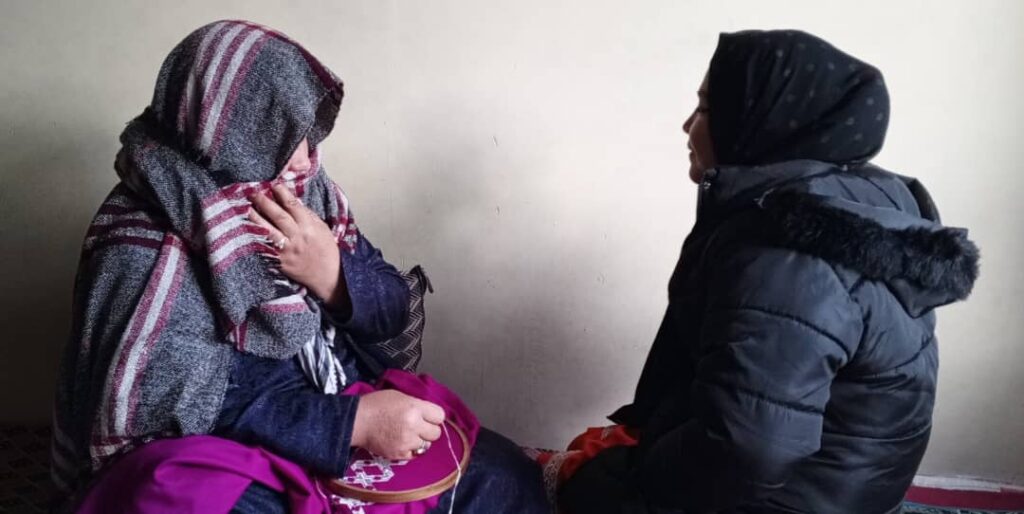
Called that the story of the threatened families needs months of research. The Taliban is like a dark black cloud that by descending, not only blackened life but also stole the sweet taste of life from a deprived section of the society, the most victim of which is women. Farkhandeh Media: After the re-establishment of the Taliban government, the families of former soldiers in Afghanistan are living in the most difficult conditions. “So that the Taliban would not imprison us, I burned all of my Husband memorabilia, from his military uniform to his photos.” Arifa (pseudonym), a thirty-six-year-old woman from Bamyan province, said in a conversation with Farkhandeh media that she lost her husband in the war with the Taliban during the previous government. she lives with her five orphaned children. While tears were falling from her cheeks like hailstones, she was telling a story about her husband, what pains she did not endure and what problems she did not deal with after his departure. She turned out to be a difficult woman, the story of her life is no less than that of other widows. She stayed to be a father and mother to her five children. Arifa says: “I was fifteen years old when I got married. My husband’s family was a big family, we had a good life together until my husband came to Kabul for better education of my children. Most of the time he was on duty in Kabul, but sometimes he went to the provinces due to military wars. They brought my son and daughters from school because your great-grandmother died. My heart was trembling and it was testifying that something bad had happened. When I saw the lifeless body of my husband in the Charsedbester hospital, my eyes became dark and I fainted. He was shot in his side, his eyes were bruised, the miseries and hardships of our life started after that day. My children were smaller, they could not work. During the day, I worked at the cucumber farm and at night I used to embroider. Our expenses were paid by a charity organization as much as we needed or less than that . After my husband was killed, I didn’t see happiness, I couldn’t go anywhere, I couldn’t wear new clothes, my heart was full of hatred, but there was no one to share my pain with, if my children were happy, I was happy too, and if they were sad, I was sad too. the days passed like this until the Taliban came and I burned all the memories of my husband to save the lives of my children. After his death, I lived with his memories, I kept his photos, clothes, and belongings, and I grieved pain with themes. I even dreamed that my husband said to burn my clothes. Golbakht (pseudonym) is Arifa’s daughter, sitting quietly and listening to her mother’s words. I understood from her tearful eyes that he must have endured the pains. I asked about her wishes. She said “Education was my father’s wish, I will never allow my father to not achieve this wish, I will raise my voice in the way of science and learning as long as I live, I will learn and teach. In the continuation of her stories, she said: I have gone through many disasters: the explosion in the Kag, the restrictions of the Taliban and dozens of other problems are examples of the pains that have made me grow more. Giving up is not in my nature, I live to learn. she asked the United Nations and those who are at the top of politics to ask the Taliban to open the doors of schools and universities for girls. This is despite the fact that after coming to power, the Taliban killed hundreds of soldiers of the former government in different ways and tortured and harassed the families of the former soldiers. Shakila Gulistani
Women victims of domestic violence in Afghanistan

Half of domestic violence victims are living with their attackers.
When the work of women in domestic and foreign institutions was stopped, we were miserable

45-year-old Gulsoum, who worked in a foreign company, says; With the prohibition of women’s work in foreign institutions and the closure of these institutions, families in Afghanistan are facing economic problems
many Afghan mothers, women and sisters have affected in Afghanistan by the recent wars, besides the loss of loved ones, economic problems and traditional restrictions are affecting these women.
Women’s Migration After the Taliban: The Journey to New Beginnings

Introduction: In the wake of the Taliban’s return to power in Afghanistan, the world’s attention remains focused on the nation’s evolving dynamics. One aspect that deserves particular attention is the plight of Afghan women who have embarked on journeys of migration, seeking safety, freedom, and opportunities beyond their homeland. This post sheds light on the challenges they face and the resilience they exhibit as they navigate this uncertain path. A Search for Safety: The return of the Taliban has raised concerns about the safety and rights of Afghan women. Many fear a return to the restrictions and oppression of the past. Consequently, a significant number of Afghan women have made the difficult decision to leave their homes in search of safer havens. Challenges on the Journey: The journey of migration is fraught with challenges: Perilous Routes: Afghan women often must traverse dangerous routes, encountering harsh conditions and uncertainty. Family Separation: Many women leave behind families, often with the hope of reuniting in safer countries. Legal Hurdles: Navigating immigration and asylum processes can be complex and fraught with uncertainty. Cultural Adjustments: Adapting to new cultures and societies presents its own set of challenges. Resilience and Hope: Despite the obstacles, Afghan women demonstrate remarkable resilience and hope: Education Pursuit: Many aspire to continue their education and seek opportunities for personal growth. Economic Independence: They are determined to secure jobs and financial independence, allowing them to support themselves and their families. Advocacy: Afghan women in diaspora communities are raising their voices, advocating for the rights and protection of those left behind. Global Support: International organizations, governments, and communities around the world are extending support to Afghan women migrants: Humanitarian Aid: Donations are helping meet immediate needs for shelter, food, and healthcare. Legal Assistance: Legal aid organizations are assisting with immigration and asylum processes. Education and Integration: Efforts are underway to facilitate education and integration into new societies. Conclusion: The migration of Afghan women after the Taliban’s resurgence highlights their unwavering determination for a brighter future. As they embark on these journeys, they carry with them not just their personal aspirations but also the hopes of Afghan women still in Afghanistan. The global community’s solidarity and support are crucial in ensuring their safety, rights, and opportunities as they seek refuge and new beginnings. The stories of Afghan women migrants serve as a powerful reminder of the resilience of the human spirit and the importance of safeguarding the rights and dignity of all people, regardless of their place of origin.
Empowering Afghan Women through Sports: Breaking Barriers and Shattering Stereotypes

Introduction: Afghanistan’s sporting landscape is undergoing a remarkable transformation as women break free from societal constraints to pursue their athletic passions. In a country known for its tumultuous history, the rise of women in sports represents a beacon of hope and empowerment. This post celebrates the resilience and determination of Afghan women who are rewriting the script through sports. Breaking Cultural Barriers: Sport has long been considered a male-dominated domain in Afghanistan, but Afghan women are defying cultural norms and expectations. From cricket to taekwondo, female athletes are emerging as trailblazers and inspiring the next generation. Trailblazing Athletes: Kamila Sidiqi: The story of Kamila Sidiqi, a former women’s national football team player, became the subject of a best-selling book and movie. Her journey from footballer to businesswoman reflects the indomitable spirit of Afghan women. The Afghan Women’s National Cricket Team: This team, despite numerous challenges, has persevered to become an international sensation. Their dedication and success have showcased Afghan women’s potential on a global stage. Challenges and Triumphs: Afghan women face numerous challenges in their pursuit of sports, including societal pressure, security concerns, and limited facilities. However, their determination shines through: Access to Facilities: Many women’s sports teams still lack proper training facilities and equipment, but this hasn’t deterred their commitment to the sport. Gender Stereotypes: Afghan women are challenging stereotypes about what they can achieve. They’re proving that athleticism knows no gender. The Impact Beyond Sports: The benefits of women’s participation in sports extend far beyond the field: Empowerment: Through sports, Afghan women are gaining confidence, leadership skills, and a sense of self-worth. Health and Well-being: Regular physical activity promotes better health and overall well-being, which is especially crucial in a challenging environment. Supporting Afghan Women in Sports: Infrastructure: Investment in sports facilities and infrastructure is vital to ensure women have access to proper training spaces. Awareness and Encouragement: Raising awareness about the achievements of Afghan female athletes and providing encouragement can help break down stereotypes. International Collaboration: Collaborating with international organizations and neighboring countries can provide opportunities for Afghan women to compete on a global stage. Conclusion: The journey of Afghan women in sports is a testament to their resilience, determination, and unwavering spirit. As they continue to break barriers and challenge stereotypes, they inspire not only their fellow Afghans but also the world. Their stories remind us that sports can be a powerful force for empowerment and change, transcending borders and uniting people in the pursuit of excellence. Afghan women athletes are proving that they are not just playing sports; they are rewriting history and shaping the future.
Afghan Women: Challenges, Progress, and Resilience

Introduction: The role of women in Afghanistan has been a topic of international concern and attention for decades. Afghanistan’s complex history, including decades of conflict, has had a profound impact on the status and rights of Afghan women. This article delves into the challenges Afghan women have faced, the progress made in recent years, and the remarkable resilience they continue to display. Historical Perspective: Afghanistan’s history reflects periods of both advancement and regression in women’s rights. Before the Soviet invasion in 1979, Afghan women enjoyed relatively more freedom, including access to education and participation in public life. However, the subsequent decades of conflict, particularly the Taliban rule, saw a severe regression in women’s rights, including restrictions on education, employment, and public life. Challenges: Gender-Based Violence: Afghanistan has struggled with high rates of gender-based violence, including domestic violence, forced marriages, and honor killings. Access to Education: While significant progress has been made in girls’ education, especially in urban areas, many girls in rural and conflict-affected regions still face obstacles in accessing quality education. Economic Empowerment: Gender disparities in economic opportunities persist, particularly in rural areas where women often lack access to financial resources, land, and employment. Healthcare: Maternal mortality rates remain high, and access to quality healthcare, especially in remote areas, remains a challenge. Cultural and Social Norms: Deep-rooted traditional norms and customs continue to hinder women’s progress in various aspects of life. Progress: Despite these challenges, significant strides have been made: Constitutional Protections: The 2004 Afghan Constitution guarantees women’s rights and their participation in political, social, and economic life. Education: The number of girls attending school has risen significantly, and there have been improvements in women’s literacy rates. Political Participation: Women have made substantial progress in politics, with increased representation in the Afghan parliament and key government positions. Economic Empowerment: Women’s participation in the workforce, especially in urban areas, has increased, contributing to economic growth. Healthcare: Access to healthcare services, including maternal care, has improved, leading to better health outcomes for women. Resilience and Aspirations: One of the most remarkable aspects of Afghan women’s narrative is their resilience and determination. Despite the odds, Afghan women continue to strive for a better future, whether by pursuing education, advocating for their rights, or contributing to their communities. Conclusion: The journey of Afghan women is marked by progress and setbacks, but their resilience shines through. While the situation remains complex and challenging, there is hope that with continued support, advocacy, and empowerment, Afghan women can shape a brighter and more equitable future for themselves and their nation. Their stories of strength and determination serve as a source of inspiration to the world.
Empowering Women in Sports: Breaking Barriers and Shattering Stereotypes

Women’s participation in sports has come a long way since the days when they were largely excluded from athletic competitions. Today, women in sports are not only proving their mettle but also breaking down barriers, challenging stereotypes, and inspiring generations to come. This article explores the evolving landscape of women in sports, their achievements, and the significance of their presence in this arena. The Evolution of Women in Sports Historically, women were discouraged from participating in sports, often considered too delicate or fragile to engage in physical activities. However, the late 19th and early 20th centuries marked a turning point when women began to demand their place in the world of sports. Pioneers like Billie Jean King, who defeated Bobby Riggs in the famous “Battle of the Sexes” tennis match in 1973, played a pivotal role in highlighting gender disparities in sports. Over the years, the fight for gender equality in sports has led to important milestones: Title IX: The passing of Title IX in the United States in 1972 was a game-changer. This federal law prohibited sex-based discrimination in educational programs, including sports. It opened doors for countless women and girls to access sports and athletic scholarships. Olympic Success: Women’s participation in the Olympic Games has grown significantly. In the 1900 Paris Olympics, women competed in just five events, while the 2021 Tokyo Olympics featured a nearly equal number of male and female athletes. Professional Leagues: The establishment and growth of women’s professional sports leagues, such as the WNBA (Women’s National Basketball Association) and the NWSL (National Women’s Soccer League), have provided female athletes with opportunities to pursue careers in sports. Breaking Stereotypes One of the most significant contributions of women in sports is their ability to challenge stereotypes and reshape society’s perceptions of female athletes. Here are some common myths that women in sports have shattered: Physical Ability: Women have demonstrated their physical prowess in various sports, proving that they are just as capable as men. Records in running, swimming, and weightlifting continue to be broken by female athletes. Strength and Power: Female athletes have shown that they possess immense strength and power, challenging the notion that physical strength is a male prerogative. Sports like CrossFit and powerlifting have strong female followings. Leadership: Many women in sports have taken on leadership roles as coaches, managers, and executives, debunking the idea that women cannot lead in traditionally male-dominated areas. Inspiring Future Generations The presence of women in sports has a profound impact on future generations. Young girls now have strong role models to look up to, motivating them to pursue their athletic dreams without limitations. The “see it, be it” principle is powerful, as it shows girls that they can achieve greatness in any field, including sports. Moreover, the benefits of sports participation extend beyond the playing field. Sports teach valuable life skills such as teamwork, discipline, resilience, and goal-setting, which empower women to excel in all aspects of life. Conclusion Women in sports have come a long way, and their journey is far from over. As they continue to excel, break records, and shatter stereotypes, they inspire us all to challenge preconceived notions and strive for gender equality in every sphere of life. It is crucial to support and celebrate the achievements of women in sports, not only for the athletes themselves but also for the generations of women and girls who will follow in their footsteps. Through their dedication and determination, women in sports are forging a brighter, more inclusive future for all.