
Women victims of domestic violence in Afghanistan

Half of domestic violence victims are living with their attackers.
When the work of women in domestic and foreign institutions was stopped, we were miserable
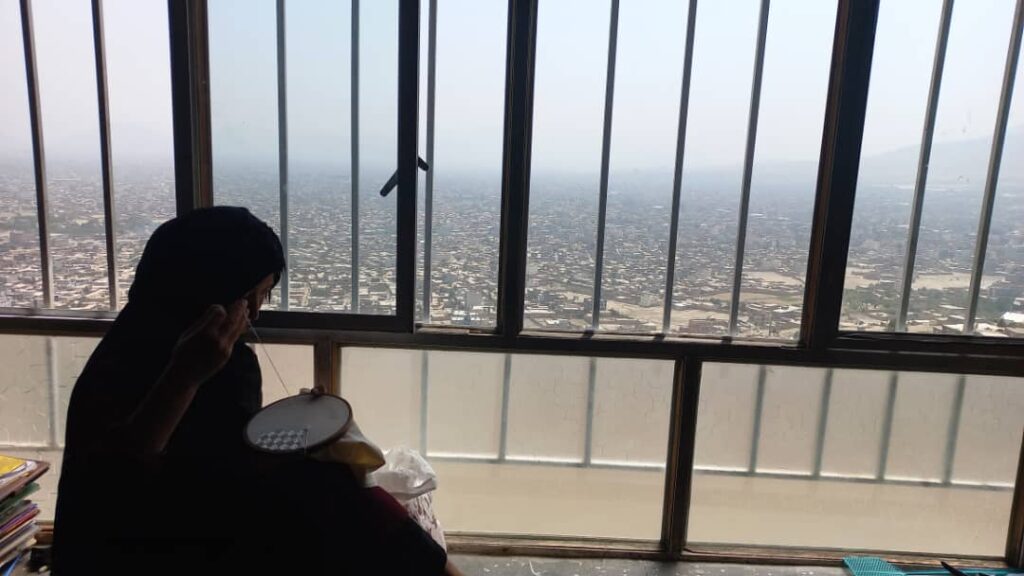
45-year-old Gulsoum, who worked in a foreign company, says; With the prohibition of women’s work in foreign institutions and the closure of these institutions, families in Afghanistan are facing economic problems
many Afghan mothers, women and sisters have affected in Afghanistan by the recent wars, besides the loss of loved ones, economic problems and traditional restrictions are affecting these women.
Women’s Migration After the Taliban: The Journey to New Beginnings
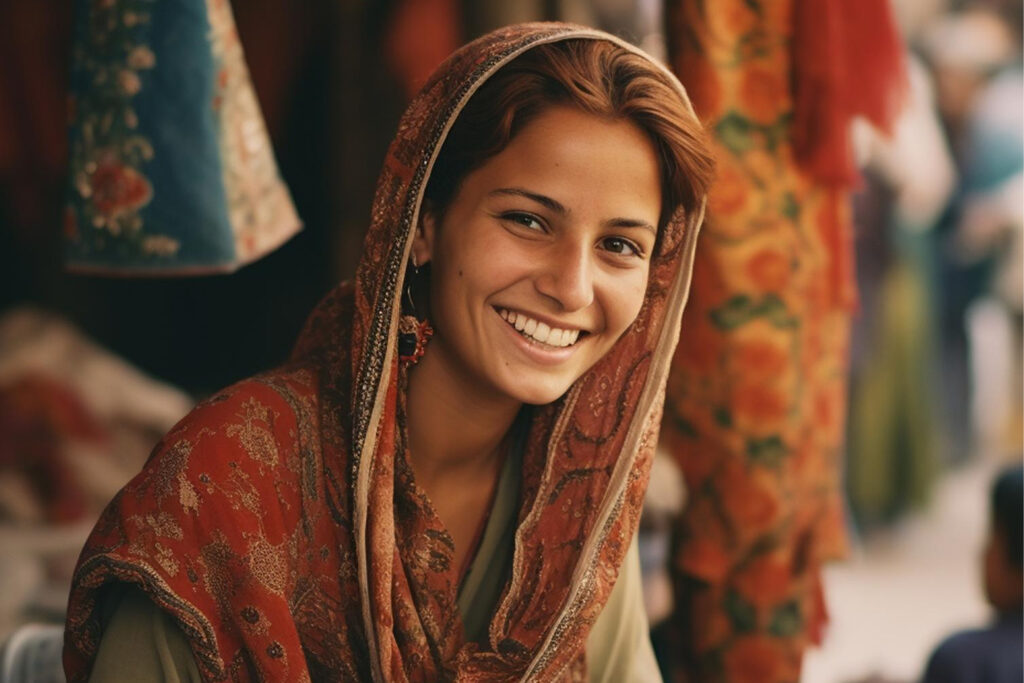
Introduction: In the wake of the Taliban’s return to power in Afghanistan, the world’s attention remains focused on the nation’s evolving dynamics. One aspect that deserves particular attention is the plight of Afghan women who have embarked on journeys of migration, seeking safety, freedom, and opportunities beyond their homeland. This post sheds light on the challenges they face and the resilience they exhibit as they navigate this uncertain path. A Search for Safety: The return of the Taliban has raised concerns about the safety and rights of Afghan women. Many fear a return to the restrictions and oppression of the past. Consequently, a significant number of Afghan women have made the difficult decision to leave their homes in search of safer havens. Challenges on the Journey: The journey of migration is fraught with challenges: Perilous Routes: Afghan women often must traverse dangerous routes, encountering harsh conditions and uncertainty. Family Separation: Many women leave behind families, often with the hope of reuniting in safer countries. Legal Hurdles: Navigating immigration and asylum processes can be complex and fraught with uncertainty. Cultural Adjustments: Adapting to new cultures and societies presents its own set of challenges. Resilience and Hope: Despite the obstacles, Afghan women demonstrate remarkable resilience and hope: Education Pursuit: Many aspire to continue their education and seek opportunities for personal growth. Economic Independence: They are determined to secure jobs and financial independence, allowing them to support themselves and their families. Advocacy: Afghan women in diaspora communities are raising their voices, advocating for the rights and protection of those left behind. Global Support: International organizations, governments, and communities around the world are extending support to Afghan women migrants: Humanitarian Aid: Donations are helping meet immediate needs for shelter, food, and healthcare. Legal Assistance: Legal aid organizations are assisting with immigration and asylum processes. Education and Integration: Efforts are underway to facilitate education and integration into new societies. Conclusion: The migration of Afghan women after the Taliban’s resurgence highlights their unwavering determination for a brighter future. As they embark on these journeys, they carry with them not just their personal aspirations but also the hopes of Afghan women still in Afghanistan. The global community’s solidarity and support are crucial in ensuring their safety, rights, and opportunities as they seek refuge and new beginnings. The stories of Afghan women migrants serve as a powerful reminder of the resilience of the human spirit and the importance of safeguarding the rights and dignity of all people, regardless of their place of origin.
Empowering Women in Sports: Breaking Barriers and Shattering Stereotypes
Women’s participation in sports has come a long way since the days when they were largely excluded from athletic competitions. Today, women in sports are not only proving their mettle but also breaking down barriers, challenging stereotypes, and inspiring generations to come. This article explores the evolving landscape of women in sports, their achievements, and the significance of their presence in this arena. The Evolution of Women in Sports Historically, women were discouraged from participating in sports, often considered too delicate or fragile to engage in physical activities. However, the late 19th and early 20th centuries marked a turning point when women began to demand their place in the world of sports. Pioneers like Billie Jean King, who defeated Bobby Riggs in the famous “Battle of the Sexes” tennis match in 1973, played a pivotal role in highlighting gender disparities in sports. Over the years, the fight for gender equality in sports has led to important milestones: Title IX: The passing of Title IX in the United States in 1972 was a game-changer. This federal law prohibited sex-based discrimination in educational programs, including sports. It opened doors for countless women and girls to access sports and athletic scholarships. Olympic Success: Women’s participation in the Olympic Games has grown significantly. In the 1900 Paris Olympics, women competed in just five events, while the 2021 Tokyo Olympics featured a nearly equal number of male and female athletes. Professional Leagues: The establishment and growth of women’s professional sports leagues, such as the WNBA (Women’s National Basketball Association) and the NWSL (National Women’s Soccer League), have provided female athletes with opportunities to pursue careers in sports. Breaking Stereotypes One of the most significant contributions of women in sports is their ability to challenge stereotypes and reshape society’s perceptions of female athletes. Here are some common myths that women in sports have shattered: Physical Ability: Women have demonstrated their physical prowess in various sports, proving that they are just as capable as men. Records in running, swimming, and weightlifting continue to be broken by female athletes. Strength and Power: Female athletes have shown that they possess immense strength and power, challenging the notion that physical strength is a male prerogative. Sports like CrossFit and powerlifting have strong female followings. Leadership: Many women in sports have taken on leadership roles as coaches, managers, and executives, debunking the idea that women cannot lead in traditionally male-dominated areas. Inspiring Future Generations The presence of women in sports has a profound impact on future generations. Young girls now have strong role models to look up to, motivating them to pursue their athletic dreams without limitations. The “see it, be it” principle is powerful, as it shows girls that they can achieve greatness in any field, including sports. Moreover, the benefits of sports participation extend beyond the playing field. Sports teach valuable life skills such as teamwork, discipline, resilience, and goal-setting, which empower women to excel in all aspects of life. Conclusion Women in sports have come a long way, and their journey is far from over. As they continue to excel, break records, and shatter stereotypes, they inspire us all to challenge preconceived notions and strive for gender equality in every sphere of life. It is crucial to support and celebrate the achievements of women in sports, not only for the athletes themselves but also for the generations of women and girls who will follow in their footsteps. Through their dedication and determination, women in sports are forging a brighter, more inclusive future for all.